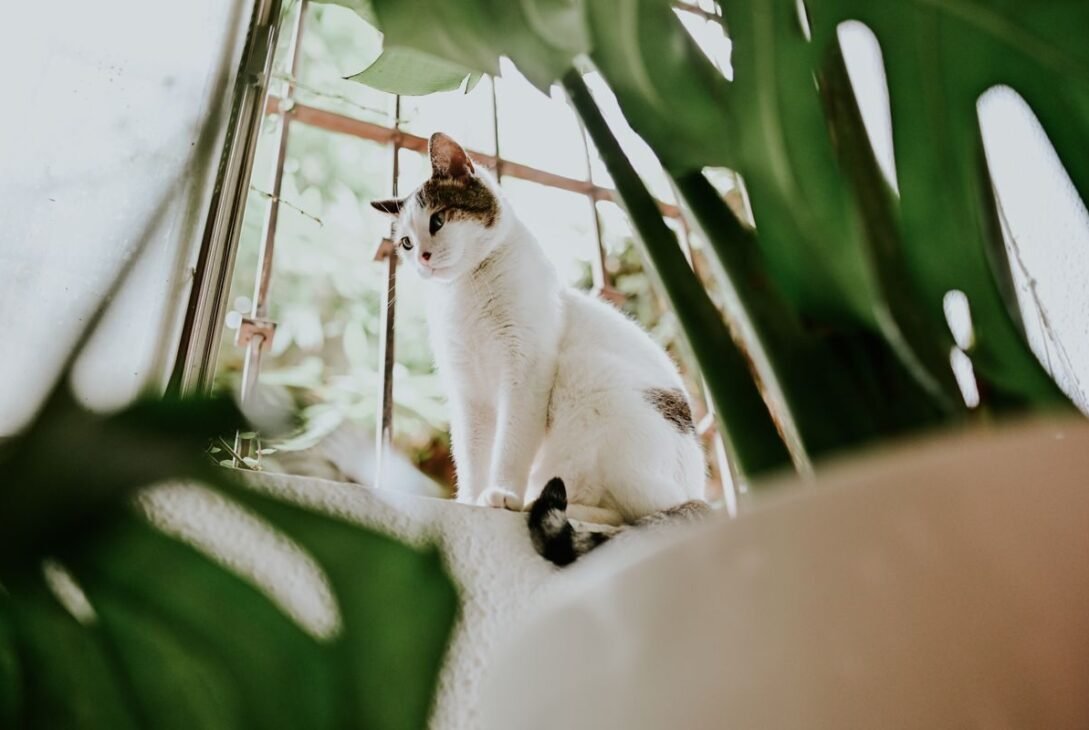
Many everyday foods and plants are harmless to people but dangerous to pets. A curious cat nibbling a houseplant or a rabbit sampling something from your plate can end up needing emergency treatment. Knowing which items to keep out of reach is one of the simplest ways to protect your animals.
This guide lists common household foods and plants that can be toxic to cats, dogs, rabbits, and other pets, explains warning signs, and describes what to do in an emergency. It is general information, and your vet is the best source of advice for your specific animal.
Why Pets React Differently From People
Animals process certain substances far more slowly than humans, or cannot break them down at all. Small body size also means a small amount can be a large dose. Symptoms may appear immediately or hours later, so do not wait for signs before acting if you know your pet has eaten something harmful.
Common Toxic Foods
Chocolate and Caffeine
Chocolate contains theobromine, and tea, coffee, and energy products contain caffeine. Both can cause vomiting, restlessness, rapid heart rate, tremors, and seizures. Dark chocolate and baking cocoa are the most dangerous. Chocolate is a particular risk for dogs, but is unsafe for cats and other pets too.
Onions, Garlic, Leeks, and Chives
These belong to the allium family and can damage red blood cells, leading to anemia. Cats are especially sensitive. Cooked, raw, or powdered forms are all risky, including food seasoned with onion or garlic powder.
Grapes, Raisins, and Sultanas
Even small amounts can cause kidney failure in dogs, and they are best avoided for other pets as well. The toxic dose is unpredictable, so any ingestion needs veterinary advice.
Xylitol
This sweetener appears in sugar-free gum, some candies, baked goods, toothpaste, and certain peanut butters. It can cause a rapid drop in blood sugar and liver damage in dogs. Always check labels before sharing foods.
Macadamia Nuts and Some Other Nuts
Macadamia nuts can cause weakness, vomiting, and tremors in dogs. Many salted or flavored nuts are also unsuitable because of salt and fat.
Avocado
The leaves, skin, and pit contain persin, which can be harmful to birds, rabbits, and some other animals. The pit is also a choking hazard.
Fatty, Salty, and Seasoned Foods
Fried food, fatty trimmings, and heavily salted or spiced dishes can trigger digestive upset and pancreatitis. Cooked bones can splinter and cause choking or internal injuries.
Raw Dough and Spoiled Food
Raw yeast dough can expand in the stomach and cause serious problems. Moldy or spoiled food can contain toxins.
Foods That Are Unsuitable for Rabbits and Small Pets
- Onions, garlic, and chives.
- Potatoes, especially raw or green ones.
- Rhubarb leaves.
- Chocolate and sugary processed foods.
- Large amounts of starchy or sugary foods, which upset delicate digestive systems.
Rabbits and guinea pigs need diets based on hay and fresh greens, so avoid sharing human snacks.
Common Toxic Plants
Pets, especially cats, may chew plants out of curiosity or boredom. Several popular houseplants and garden plants are dangerous.
- Lilies (true lilies and daylilies): extremely toxic to cats. Even pollen, a nibbled leaf, or water from a vase can cause kidney failure. Keep them out of homes with cats.
- Sago palm: very dangerous, especially the seeds, and can cause liver failure in dogs and cats.
- Oleander: affects the heart and is toxic to many animals.
- Dieffenbachia (dumb cane), philodendron, and pothos: contain crystals that cause mouth irritation, drooling, and swelling.
- Aloe vera: can cause vomiting and diarrhea in cats and dogs.
- Peace lily: irritating to the mouth and throat.
- Azalea and rhododendron: can cause vomiting, weakness, and heart problems.
- Tulip and daffodil bulbs: the bulbs are particularly toxic and can cause gastrointestinal upset or worse.
- Castor bean, yew, and foxglove: highly toxic garden plants.
- Cyclamen and ivy: can cause digestive upset.
- Jade plant and kalanchoe: can cause vomiting and other symptoms.
Plant names vary by region, so check the botanical name of any plant you bring home.
Safer Choices
Plants generally regarded as safer for cats and dogs include spider plant, Boston fern, areca palm, calathea, prayer plant, and cat grass grown from wheat or oat seeds. Even safe plants can cause stomach upset if eaten in large amounts, and potting soil, fertilizer, and pesticides can be harmful. Herbs such as basil, parsley, and thyme are generally safe in small amounts, though some herbs and essential oils are not suitable for all species. Always check with a reliable source or your vet.
Other Hidden Household Hazards
- Human medicines, including pain relievers, which can be deadly to pets.
- Cleaning products, antifreeze, and pesticides.
- Rodent poisons and slug pellets.
- Essential oils and diffusers, which can be toxic to cats and birds.
- Batteries, coins, and small objects that can be swallowed.
Signs of Poisoning
Symptoms vary but may include:
- Vomiting or diarrhea.
- Drooling or pawing at the mouth.
- Lethargy, weakness, or collapse.
- Tremors, seizures, or unsteady walking.
- Rapid breathing or difficulty breathing.
- Loss of appetite, increased thirst, or changes in urination.
- Pale or unusually colored gums.
What to Do in an Emergency
- Remove your pet from the source and take away any remaining food or plant material.
- Call your vet or an emergency animal clinic immediately. If there is a local animal poison helpline, contact it as well.
- Have information ready: your pet’s species, weight, what they ate, how much, and when.
- Do not induce vomiting unless a vet specifically tells you to. In some cases it makes things worse.
- Take a sample or the packaging of the substance with you.
- Follow professional instructions and get to the clinic quickly.
Prevention Tips
- Keep toxic foods in closed cupboards and bins with secure lids.
- Do not feed table scraps, and tell guests and children not to feed pets.
- Check plant labels before buying, and remove or hang up risky plants out of reach.
- Provide cat grass and safe chew items to satisfy plant-nibbling urges.
- Store medicines, cleaners, and chemicals in secure locations.
- Save your vet’s and emergency clinic’s numbers in your phone.
Related Reading
- Choosing a First Pet: Cat, Rabbit, Fish, or Bird? Matching Pets to Your Lifestyle
- Keeping Pets Safe in Hot Weather: Heat Risks and Cooling Tips
- Container Gardening on a Balcony: Growing Herbs and Vegetables in Small Spaces
FAQ
Which plant is the most dangerous for cats?
True lilies are among the most dangerous. Even small exposures can cause kidney failure, so avoid them entirely if you have a cat.
Can I give my pet a small amount of chocolate?
It is best to avoid it. Toxicity depends on the type of chocolate and your pet’s size, and there is no safe treat version.
Are all human foods unsafe for pets?
No. Some plain foods are safe in moderation, but it varies by species. Check with your vet before sharing.
How quickly do symptoms appear?
Anywhere from minutes to a day or more. Call your vet as soon as you know of exposure, without waiting for symptoms.
Is a pet-safe plant list reliable?
Use lists from veterinary organizations and double-check botanical names, since plants with similar common names can differ greatly in toxicity.
Conclusion
Pet-proofing your home takes only a little time: store risky foods safely, choose pet-safe plants, and know what to do in an emergency. Walk through your kitchen and living room today, and move anything dangerous out of reach. This article is general information and does not replace advice from your veterinarian.