Checked bags cost money, get lost, and slow you down at both ends of a trip. Packing everything into a carry-on, even for two weeks, is not only possible but often liberating. You walk straight past the baggage belt, move easily through stations, and avoid dragging a heavy suitcase over cobblestones.
This guide explains a simple method for packing light, with packing cubes, a small set of versatile clothes, and a few habits that make everything fit.
Why Packing Light Is Worth It
- Saves money: many airlines charge for checked baggage.
- Saves time: no waiting at the carousel or check-in desk.
- Reduces risk: carry-on luggage cannot be lost in transit.
- Makes moving easier: stairs, public transport, and short walks are far less tiring.
- Simplifies choices: a small wardrobe means less decision-making each morning.
Start With the Right Bag
Check your airline’s carry-on rules for size and weight, because they vary. Many airlines accept bags around 55 by 40 by 20 centimeters and limit weight to around 7 to 10 kilograms, but this changes between carriers, and low-cost airlines are often stricter. Check again just before you fly.
- Choose a lightweight bag. A heavy empty suitcase wastes much of your weight allowance.
- Soft-sided bags or backpacks can be squeezed into tight spaces.
- A small personal item, such as a day bag, often travels free alongside your carry-on. Check the rules.
The Method: Plan Before You Pack
1. Check the Weather and Your Activities
Look at the average temperatures and forecast, and list what you will actually do. Business meetings, hiking, beach days, and visits to religious or traditional sites each call for different clothing. Dress codes in some places require covered shoulders and knees, so include suitable items when needed.
2. Build a Capsule Wardrobe
A capsule wardrobe is a small set of items that all go together. For a two-week trip, a good formula is:
- 4 to 5 tops in neutral colors plus one or two accent colors.
- 2 to 3 bottoms, such as trousers, a skirt, or comfortable long shorts.
- 1 or 2 layers, such as a cardigan, jacket, or light sweater.
- 1 outer layer that handles wind or rain.
- 1 dressier outfit, if needed.
- Underwear and socks for about a week, and plan to wash.
- Sleepwear.
- 2 pairs of shoes at most: one comfortable pair you can walk in all day, and one lighter alternative if you need it. Wear the bulkiest pair while traveling.
Choose a color palette of two or three base colors so that every top works with every bottom. Pick fabrics that are quick-drying and wrinkle-resistant, such as blends, merino wool, or technical fabrics.
3. Plan to Do Laundry
The secret to traveling light is doing laundry once a week. Many apartments and guesthouses have washing machines, or you can use a laundry service or hand-wash in the sink with a travel detergent sheet. A travel clothesline or a few hangers help with drying.
4. Wear Your Heaviest Items
On the travel day, wear your bulkiest shoes, jacket, and sweater. It saves space and weight in your bag, and the jacket doubles as a blanket on the plane.
Using Packing Cubes Properly
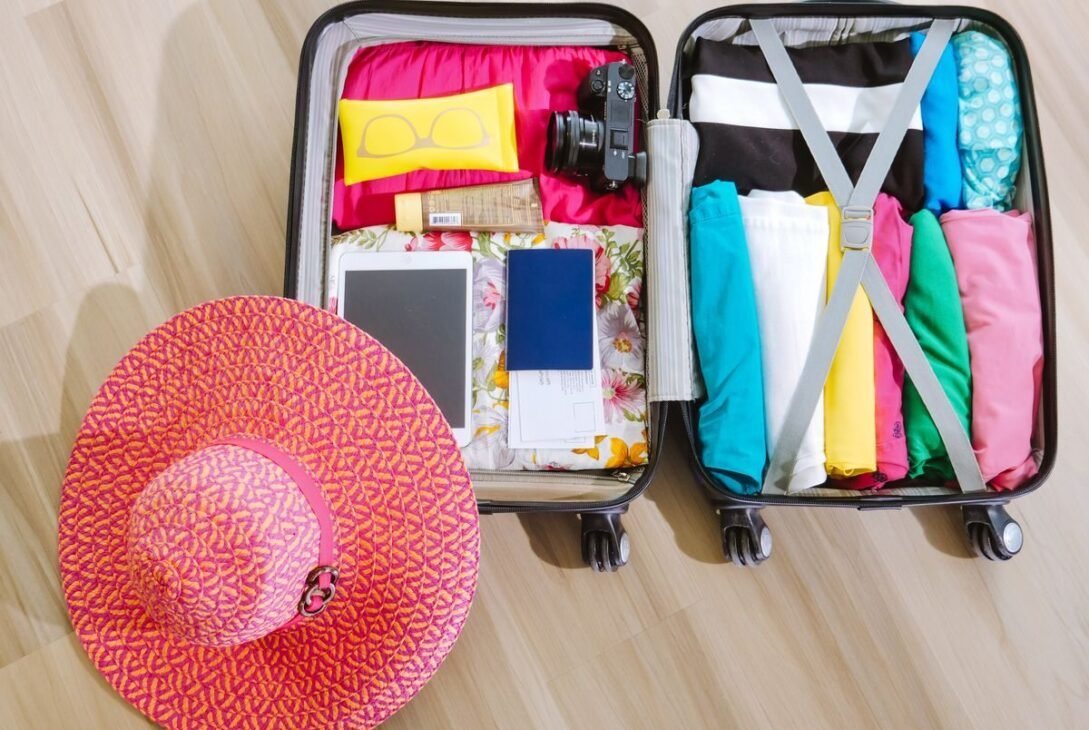
Packing cubes are zippered fabric organizers that divide your bag into sections and compress clothing. They keep things tidy and make it easy to find items without unpacking everything.
A Simple System
- Cube 1: tops and sleepwear.
- Cube 2: bottoms and layers.
- Cube 3: underwear, socks, and small items.
- A laundry bag: for worn clothes, so they stay separate from clean ones.
Folding and Rolling
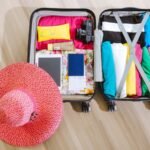
Rolling clothes saves space and reduces creases for many fabrics. For structured items, such as shirts and jackets, folding flat may be better. Experiment at home before the trip. Place heavy items, such as shoes, near the wheels or the back of the bag, so the weight is balanced.
Do Not Overstuff
Leave a little space for souvenirs and for the natural expansion of clothes. A bag stuffed to the maximum is harder to carry and may fail the airline size test.
Toiletries and Electronics
- Liquids: carry-on rules for liquids vary by country, so check them. Often liquids must be in small containers inside a clear bag.
- Solid alternatives: solid shampoo, soap bars, and toothpaste tablets save space and avoid spills.
- Refill small containers from larger bottles.
- Share items when traveling with others, such as one hairdryer or one set of adapters.
- Electronics: bring a universal adapter, a multi-port charger, and only the devices you will actually use. Pack power banks in your carry-on, as airline rules usually prohibit them in checked luggage.
- Documents and medication: keep passports, tickets, and any prescribed medicines in your personal item, with a copy of the prescription.
A Two-Week Carry-On Packing List
- 5 tops, 3 bottoms, 2 layers, 1 jacket
- 7 sets of underwear and socks
- Sleepwear
- 1 dressier outfit or accessory
- Comfortable walking shoes, plus one light spare pair
- Toiletries and a small first aid kit
- Phone, charger, adapter, power bank
- Documents, wallet, and a small amount of cash
- Sunglasses, hat or scarf, and a reusable water bottle
- A foldable day bag and a laundry bag
Adapt the list to your climate, culture, and plans.
Common Mistakes
- Packing for “just in case” scenarios. If you can buy it at your destination, leave it at home.
- Bringing clothes that do not match each other. Every item should combine with at least two others.
- Too many shoes. They are bulky and heavy.
- Ignoring airline rules. Measure and weigh your bag at home.
- Not trying it first. Do a practice pack a few days before departure, then remove 10 percent.
Final Checks Before You Leave
- Weigh the bag and check its dimensions.
- Confirm liquids and electronics comply with the rules.
- Keep documents and valuables in your personal item.
- Leave some room for items you will buy during the trip.
- Take a photo of your packed bag so you can repack easily.
FAQ
Can I really pack for two weeks in a carry-on?
Yes, with a capsule wardrobe and one laundry stop, most people can.
Are packing cubes necessary?
Not strictly, but they help with organization and compression, and many travelers find them worth the small cost.
Should I roll or fold clothes?
Rolling saves space for many items, while folding suits structured garments. Test both with your own clothes.
What if I need formal clothing?
Pack one versatile outfit in wrinkle-resistant fabric, and add accessories to change the look.
How do I deal with strict low-cost airline limits?
Measure carefully, wear your bulkiest items, and use a personal item within the allowed size. Always check the airline’s current rules.
Conclusion
Packing light is a skill that improves with each trip. Plan your outfits, choose a small color palette, use packing cubes, and wash clothes along the way. Try the method on your next getaway, and notice how much easier traveling becomes when your luggage is light.