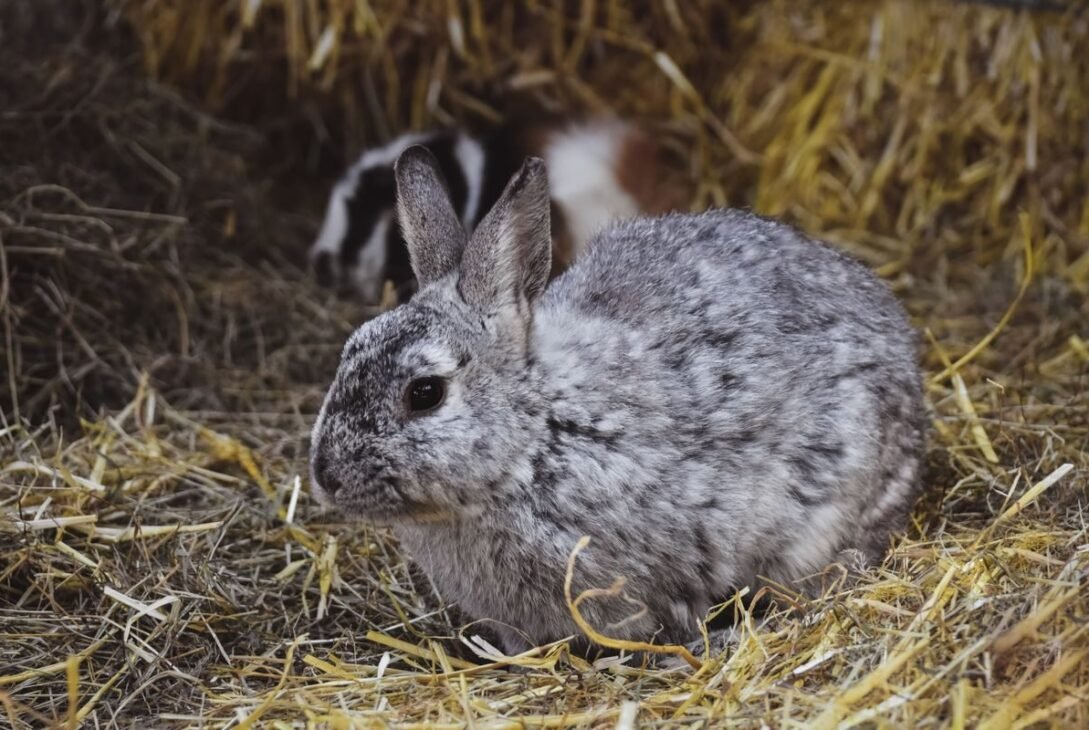
Rabbits are gentle, curious, and surprisingly expressive pets. They are also among the most misunderstood. Many are sold as “starter pets” for children and kept in small cages with a bowl of pellets, a setup that leads to boredom, health problems, and shortened lives.
With the right diet, housing, and attention, a rabbit can live eight to twelve years or more and become a real family companion. This guide covers the essentials and the mistakes to avoid.
Know What You Are Getting Into
- Rabbits are social. They need daily interaction, and many do best in compatible pairs.
- They are prey animals. Being picked up can frighten them, so they prefer to be approached gently at ground level.
- They need space to run. A cage is only a base. Rabbits require several hours of exercise outside it each day.
- They chew. Cables, furniture, and baseboards are at risk unless protected.
- They are long-term pets. Treat the commitment like that of a cat.
Rabbits are often not ideal for very young children, since they are fragile and can be injured by rough handling. Adults must supervise and take responsibility for care.
Diet: Hay Comes First
A rabbit’s digestive system depends on constant fiber. The recommended diet is roughly:
- About 80 to 85 percent hay: unlimited fresh grass hay such as timothy, meadow, or oat hay. Hay keeps the gut moving and wears down continuously growing teeth.
- About 10 to 15 percent fresh leafy greens: romaine lettuce, coriander, parsley, mint, rocket, and similar. Introduce new greens slowly and offer a variety.
- A small amount of pellets: a measured portion of high-fiber rabbit pellets, according to size and the vet’s advice.
- Treats in moderation: small pieces of fruit or carrot occasionally. They are high in sugar and should not be a staple.
- Fresh water: always available. Many rabbits prefer a heavy ceramic bowl to a bottle.
The popular image of rabbits living on carrots is misleading. Too much sugar can cause digestive upsets and weight gain.
Housing
Space Requirements
Rabbits need an enclosure large enough to stretch out, stand on their hind legs, and hop a few times. As a rough guide, many welfare organizations recommend a space of at least several meters squared, including an exercise area. Bigger is always better. A puppy-style playpen or a rabbit-proofed room works well.
Indoor or Outdoor?
Indoor housing protects rabbits from predators and weather extremes and makes bonding easier. Outdoor hutches must be large, secure, and weather-proof, with shaded and sheltered areas. Rabbits handle heat poorly, so provide cooling in hot climates.
Inside the Enclosure
- Litter tray: most rabbits can be litter trained. Use rabbit-safe litter such as paper-based or wood pellets, and put hay at one end.
- Hiding place: a box or shelter where the rabbit can retreat.
- Flooring: avoid wire floors. Provide solid, non-slip surfaces such as soft mats.
- Chew items: untreated wood blocks, willow balls, and cardboard tubes.
Exercise and Enrichment
Rabbits need at least a few hours a day outside their enclosure, ideally with free access. Provide:
- Tunnels, boxes, and platforms to explore.
- Toys to toss and chew.
- Digging boxes filled with shredded paper or safe soil.
- Foraging games, such as hay stuffed into cardboard tubes or treats hidden around.
Rabbit-proof your space by covering or hiding cables, removing toxic plants, and blocking small gaps where a rabbit could get stuck.
Handling and Bonding
- Let your rabbit come to you. Sit on the floor and offer a treat.
- Pet gently on the forehead and cheeks, which most rabbits enjoy. Many dislike being touched on the belly or being held.
- If you must pick up a rabbit, support the hindquarters with one hand and the chest with the other, and hold the animal close to your body. Never lift by the ears or scruff.
- Learn rabbit body language. A “binky” jump with a twist signals joy, flopping on the side shows relaxation, and thumping the hind leg is a warning.
Health Care
Rabbits hide illness well, so regular observation is vital. Find a vet who is experienced with rabbits before you need one.
- Vaccinations: depending on your region, rabbits may need vaccination against serious diseases. Ask your vet.
- Spaying or neutering: reduces unwanted behavior, helps bonding, and lowers certain health risks.
- Teeth: rabbit teeth grow constantly. Hay and chew items help prevent dental problems.
- Grooming: brush regularly, especially long-haired breeds and during shedding.
- Parasite control and checkups: follow your vet’s advice.
Emergency Signs
Contact a vet immediately if your rabbit:
- Stops eating or drinking, or produces no droppings for several hours. This can signal a dangerous gut condition.
- Has a tilted head, drooling, or trouble breathing.
- Seems very lethargic or sits hunched in pain.
- Has diarrhea or severe bloating.
- Shows signs of heat stress such as panting or very warm ears.
This article offers general information and is not a substitute for veterinary care.
Common Mistakes
- Housing a rabbit in a small cage as its permanent home.
- Feeding too many pellets and too little hay.
- Giving too many sugary treats.
- Keeping a single rabbit without enough companionship or interaction.
- Ignoring early signs of illness.
- Letting rabbits overheat in summer.
- Letting children handle rabbits unsupervised.
Keeping Cool in Hot Weather
Rabbits can suffer heat stress above about 25 to 28 degrees Celsius. In warm weather, keep them indoors in a cool, shaded room, provide fresh water, and offer a frozen water bottle wrapped in a cloth or a ceramic tile to lie on. Never leave a rabbit in direct sun or in a closed vehicle.
FAQ
How much hay does a rabbit need?
Rabbits should have unlimited hay available at all times. A pile as large as the rabbit’s body daily is a common guideline.
Can rabbits live alone?
They can, but many thrive with a bonded companion. A single rabbit needs a lot of daily human interaction.
Do rabbits need baths?
No. They clean themselves. Baths are stressful and can be dangerous. Spot-clean only if necessary, and ask your vet if problems persist.
What vegetables are safe?
Leafy greens and herbs are good staples. Check a reliable rabbit-care source or your vet before introducing new foods, and avoid items such as onions, potatoes, and chocolate.
How long do pet rabbits live?
Commonly 8 to 12 years with good care, and some live longer.
Conclusion
A healthy, happy rabbit needs unlimited hay, plenty of space, companionship, and a vet who understands the species. Plan the setup before bringing one home, protect your home from chewing, and learn your rabbit’s body language. With patience, you will gain a quiet, affectionate friend. Start by upgrading hay and space, because those two changes make the biggest difference.