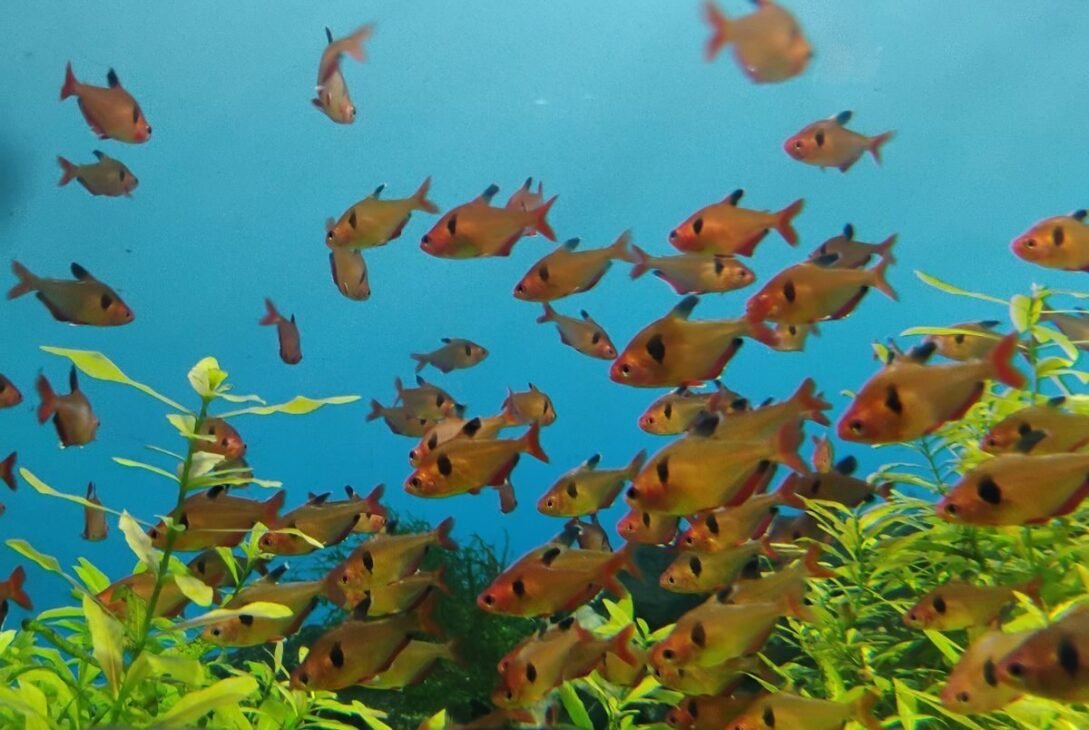
A home aquarium can bring calm and color into a room. It can also become a stressful and expensive disappointment when beginners rush. Most early fish deaths come not from bad luck but from skipping one key step: preparing the water before the fish arrive.
This guide walks you through setting up a freshwater aquarium, from choosing equipment to adding your first fish.
Understand the Basics First
An aquarium is a small ecosystem. Fish produce waste, which turns into ammonia, a substance toxic to them. Helpful bacteria in the filter convert ammonia into nitrite and then into nitrate, which is much less harmful and is removed with water changes. This process is called the nitrogen cycle, and a new tank needs time to establish it.
Understanding this cycle is the single most important idea in the hobby.
Choose the Right Tank Size
Beginners often assume a small tank is easier. In reality, small volumes of water change quickly and are harder to keep stable. A tank of about 60 to 100 liters is a good starting point for most beginners, as it gives more margin for error and allows a wider choice of fish.
Think about location as well. Choose a spot that is:
- Away from direct sunlight, which encourages algae.
- Away from heaters, radiators, and drafts.
- Near an electrical outlet.
- On a strong, level stand that can support the weight. Water is heavy, about one kilogram per liter, so a full tank can weigh a lot.
Essential Equipment
- Tank with lid or cover: keeps fish from jumping out and reduces evaporation.
- Filter: the heart of the system. Choose one rated for your tank volume or slightly larger. It provides surface for beneficial bacteria.
- Heater and thermometer: most tropical fish need stable temperatures, often around 24 to 27 degrees Celsius, though it depends on the species. In very warm climates you may need cooling instead, so check room temperatures.
- Lighting: an LED light on a timer for around 6 to 8 hours a day helps plants and prevents algae overgrowth.
- Substrate: gravel or sand for the bottom.
- Water conditioner: removes chlorine and chloramine from tap water.
- Test kit: liquid test kits for ammonia, nitrite, nitrate, and pH are more reliable than paper strips.
- Siphon and bucket: for water changes. Use them only for the aquarium.
- Net and fish food: the basics for daily care.
Set Up Step by Step
- Rinse everything. Wash the tank, substrate, and decorations with plain water. Do not use soap or detergents.
- Position the tank on its final stand before filling.
- Add substrate in a slope, deeper at the back, about 5 centimeters.
- Arrange decorations and plants. Hiding places such as caves, driftwood, and plants make fish feel safe. Live plants help absorb nitrates and compete with algae.
- Fill with water slowly, pouring onto a plate or bag to avoid disturbing the substrate. Add water conditioner as directed.
- Install the filter and heater, then switch on the equipment. Wait a short time before powering the heater so it is fully covered by water.
- Check the temperature and adjust the heater if needed.
Cycle the Tank Before Adding Fish
Cycling builds up the bacteria that keep your water safe. It usually takes four to six weeks.
- Add a source of ammonia. You can use a pure ammonia product designed for cycling, or a small pinch of fish food daily.
- Test the water every few days for ammonia, nitrite, and nitrate.
- Ammonia will rise first, then fall as nitrite appears. Nitrite later falls as nitrate rises.
- The tank is cycled when ammonia and nitrite both read zero within 24 hours of adding an ammonia source, and nitrate is present.
- Do a large water change to reduce nitrate before adding fish.
Be patient. Adding fish too soon is the most common beginner mistake. Fish-in cycling is possible but stressful for the fish and needs extra care and monitoring.
Choose Beginner-Friendly Fish
Research each species before buying. Check adult size, temperament, temperature needs, and compatibility. Hardy species often recommended for beginners include:
- Zebra danios: active schooling fish that tolerate a range of conditions.
- Platies and mollies: colorful, peaceful livebearers.
- Corydoras catfish: gentle bottom dwellers that like groups.
- Harlequin rasboras and tetras: small schooling fish that look beautiful in groups.
- Bristlenose plecos: a manageable algae-eating catfish, in tanks large enough for them.
Avoid goldfish in a small community tank, because they grow large and produce a lot of waste. Do not mix aggressive species with peaceful ones.
Add Fish Gradually
- Begin with a few small fish, not a full load.
- Float the bag in the tank for about 15 to 20 minutes so temperatures match, then add a little tank water to the bag over several minutes before releasing the fish.
- Wait a couple of weeks before adding the next group, and test the water in between.
A common guideline is to avoid overstocking. More fish means more waste and more risk.
Daily and Weekly Care
Daily:
- Feed small amounts once or twice a day, only what the fish finish in a couple of minutes. Overfeeding fouls the water.
- Look at your fish. Are they active, eating, and swimming normally?
- Check that the filter and heater are working.
Weekly:
- Change roughly 20 to 30 percent of the water with treated water at a similar temperature.
- Vacuum the substrate lightly.
- Test ammonia, nitrite, and nitrate.
- Wipe algae from the glass.
Monthly:
- Rinse filter media in used tank water, never in tap water, so the bacteria survive.
- Trim plants and check equipment.
Common Beginner Mistakes
- Adding fish before the tank has cycled.
- Overstocking or choosing fish that outgrow the tank.
- Overfeeding.
- Skipping water changes or changing all the water at once.
- Washing filter media with tap water.
- Putting the tank in direct sunlight.
- Mixing incompatible species.
Troubleshooting
- Cloudy water: often a bacterial bloom in a new tank, which usually clears on its own. Avoid overfeeding.
- Green algae: reduce lighting time and direct sunlight, and add plants.
- Fish gasping at the surface: test for ammonia and nitrite, and check oxygenation and filter function.
- White spots or unusual behavior: may indicate disease. Research the symptoms and ask an experienced aquarist or a vet who treats fish.
Budget Realistically
Expect to spend on the tank, filter, heater, lighting, stand, decorations, test kit, and fish, plus ongoing food, water conditioner, and electricity. Buying good-quality equipment once is usually cheaper than replacing poor equipment later.
FAQ
How long before I can add fish?
Typically four to six weeks to complete the nitrogen cycle, though it can vary. Testing tells you when the tank is ready.
Do I need live plants?
No, but they help with water quality, provide cover for fish, and compete with algae. Hardy plants such as java fern and anubias suit beginners.
How many fish can I keep?
It depends on tank size, species, and filtration. Start low and increase slowly. Research each species’ adult size.
Can I use tap water?
Yes, if you treat it with a water conditioner that removes chlorine and chloramine. Local water quality varies, so test it.
How often should I feed my fish?
Once or twice a day in small amounts is enough for most species.
Conclusion
A thriving aquarium is built on patience: choose a suitable tank, set it up carefully, cycle it fully, and add hardy fish slowly. Regular small maintenance keeps the system stable. Take your time at the start, and the tank will reward you with years of quiet enjoyment. This article is general information. Check species-specific needs before buying any animal.