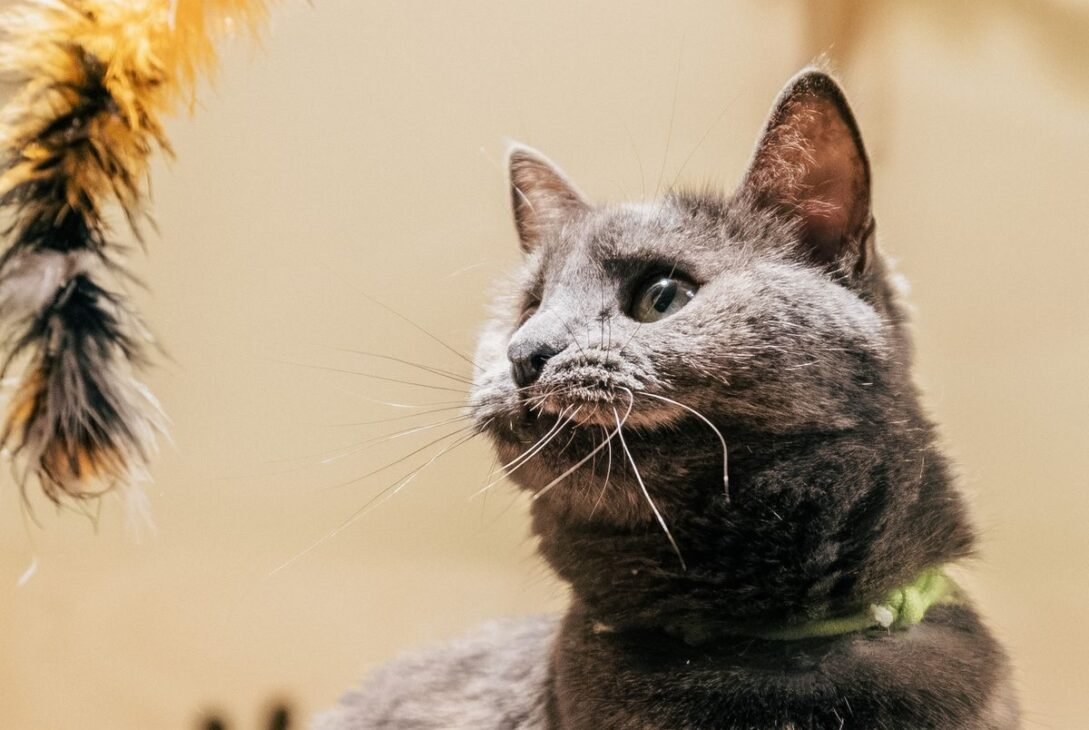
Many indoor cats are not unhappy, but they can be understimulated. A cat with nothing to climb, chase, or investigate may sleep too much, gain weight, scratch furniture, or develop stress-related behaviors. The solution is environmental enrichment: giving your cat chances to act like a cat, even inside an apartment.
This guide covers three pillars of enrichment: climbing, hunting-style play, and window perches, along with simple, low-cost ideas.
Why Enrichment Matters
Cats are natural hunters, climbers, and explorers. In the wild, they spend much of their day stalking, pouncing, and scanning their surroundings. At home, food appears in a bowl and the environment is the same every day.
Enrichment helps with:
- Physical health: exercise helps maintain a healthy weight and muscle tone.
- Mental health: stimulation reduces boredom and anxiety.
- Behavior: cats with outlets for energy are less likely to scratch furniture or ambush ankles.
- Bonding: shared play strengthens your relationship.
Pillar One: Climbing and Vertical Space
Cats feel safer and more confident when they can observe from a height. Vertical space also increases the usable area of a small home.
- Cat trees: choose a stable one, tall enough to stretch on and with sturdy platforms. Wobbly trees put cats off.
- Wall shelves and perches: secure shelves at varied heights form a “cat highway” around a room. Make sure they are firmly anchored and able to bear weight.
- Furniture access: clear a path to a bookshelf top or wardrobe if it is safe. Leave a gap so the cat can move comfortably.
- Cardboard boxes: a simple box is a hiding place and a perch. Cut a hole and place it near a vantage point.
Older or arthritic cats need lower steps and ramps. Make sure climbing surfaces are non-slip.
Pillar Two: Hunting-Style Play
Play should imitate the hunting sequence: stalk, chase, pounce, catch, and “eat”. Cats who do not complete the sequence can feel frustrated.
Choose the Right Toys
- Wand toys: feathers or strings on a stick are among the best, because they let you control the movement and keep your hands away from claws.
- Small mice or balls: good for solo play and batting around.
- Crinkle toys and tunnels: add noise and hiding places.
- Puzzle feeders: make mealtime a hunt by hiding kibble in treat balls or puzzle boards.
How to Play
- Move the toy like prey: away from the cat, hiding behind objects, and darting unpredictably, not dangling in front of the nose.
- Let the cat catch the toy often enough to stay motivated.
- Play for 10 to 15 minutes, once or twice a day, and finish with a small meal or treat so the “hunt” ends in a reward.
- Watch your cat’s body language. A cat that is tired will slow down, pant, or walk away.
Never use your hands or feet as toys, because this teaches kittens to bite and scratch people. Put away wand toys after play, as strings and feathers can be swallowed.
Rotate Toys
Cats get bored with the same toys. Keep a basket of toys and put out a few at a time, rotating every few days to keep things fresh.
Pillar Three: Window Perches and Outdoor Views
For many indoor cats, a window is their television. Watching birds, trees, and passersby offers hours of entertainment.
- Window perches: attach a sturdy shelf or sill cushion at a window with a good view.
- Bird feeder outside: placing a feeder near a safe window, where it will not hurt the birds, gives cats something to watch. Make sure the window is secure.
- Cozy bedding: add a soft blanket to the perch so the cat can nap in sunlight.
- Secure screens: cats can fall from open windows and balconies. Use strong screens or safety netting, especially in high-rise buildings.
Balcony access can be wonderful, but only when fully enclosed with cat-safe netting or fencing.
More Enrichment Ideas
Scratching Posts
Scratching is a natural behavior that keeps claws healthy and marks territory. Provide tall, stable posts, both vertical and horizontal, covered in sisal or cardboard. Place them near sleeping areas and next to furniture your cat likes to scratch.
Foraging and Food Games
Scatter some dry food around the home, or hide small portions in different spots. Use puzzle feeders to slow down fast eaters. Adjust portion sizes so total daily food stays the same.
Safe Greens and Scents
Cat grass, grown from oat or wheat seeds, offers a safe plant to chew on. Catnip or silvervine can make play more exciting, though not all cats respond. Check that any plants in the home are safe for cats, because many common houseplants are toxic.
Hideaways
Cats need places to retreat. Cardboard boxes, covered beds, and quiet corners give them a sense of security, especially in busy households.
Calm Companionship
Gentle brushing, talking, and quiet time together count as enrichment too, if your cat enjoys it. Let the cat choose how much contact it wants.
Signs Your Cat Needs More Stimulation
- Sleeping much more than usual or seeming listless.
- Weight gain.
- Excessive meowing, especially at night.
- Scratching or chewing things you want left alone.
- Sudden bursts of wild running at odd hours.
- Over-grooming or other repetitive behaviors.
These signs can also point to medical problems or stress from other causes. If you notice sudden changes in behavior, appetite, or litter box habits, visit a vet.
A Simple Daily Enrichment Plan
- Morning: a short play session before breakfast, then food in a puzzle feeder.
- Daytime: a sunny perch with a view, plus a few rotated toys.
- Evening: another play session, followed by a meal or snack and quiet time.
- Weekly: rotate toys, rearrange a box or tunnel, and try one new scent or game.
FAQ
How much play does a cat need each day?
Many cats do well with two sessions of 10 to 15 minutes, but needs vary with age, health, and personality. Kittens and young cats usually need more.
Do cats need other cats for company?
Not necessarily. Some cats enjoy a companion, while others prefer to live alone. Introduce new cats gradually and with care.
What if my cat ignores toys?
Try different types, movements, and times of day. Many cats respond best when play happens before meals, when their hunting instinct is stronger.
Is a laser pointer safe?
Some cats become frustrated because they never “catch” anything. If you use one, finish with a real toy or treat that the cat can catch.
Can older cats still enjoy enrichment?
Yes. Choose gentler games, lower perches, and warm beds, and talk to your vet about arthritis or mobility problems.
Conclusion
A stimulating home is about more than toys. Add vertical space, daily hunting-style play, and a good window view, and your cat will have reasons to explore, exercise, and relax. Start with one change this week, such as a wand toy session or a sunny perch, and watch how your cat responds. This article is general information and does not replace veterinary advice.