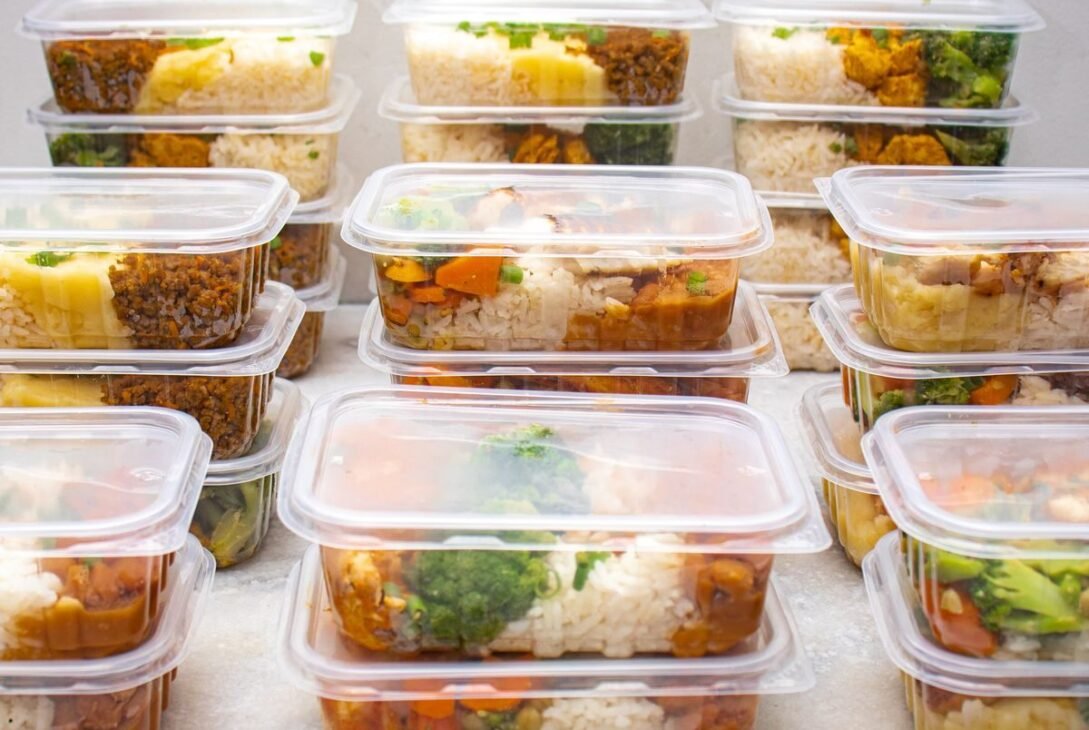
By Wednesday night, many busy people are tired, short of time, and tempted to order takeaway. A little planning on the weekend can change that. Meal prep means preparing some or all of your food ahead of time, so healthy meals are ready when you are not.
Done well, it saves time and money, reduces food waste, and makes balanced eating easier. This guide shows how to plan make-ahead meals that stay tasty all week, without eating the same dish five days in a row.
Why Meal Prep Works
- It saves time. Cooking once and eating several times means fewer dishes and less daily effort.
- It saves money. Planned shopping reduces impulse buys and food waste.
- It supports healthier choices. When a good meal is ready, you are less likely to skip eating or choose less nutritious options.
- It lowers stress. You answer the question “what is for dinner?” once a week, not every day.
Choose Your Meal Prep Style
There is no single right way. Pick the style that fits your week.
- Full meals: prepare complete portions in containers, such as rice, vegetables, and protein. Best if you want grab-and-go lunches.
- Batch cooking: make large amounts of a few dishes, such as a stew or soup, and eat them over several days or freeze portions.
- Ingredient prep: cook basics separately, such as grains, roasted vegetables, and proteins, then mix them in different combinations each day. This offers the most variety.
- Prep-ahead steps: wash, chop, marinate, and portion ingredients, but cook fresh on the day.
Ingredient prep is often the best choice for beginners who dislike repeating the same meal.
Step One: Plan the Week
- Check your schedule. How many meals do you really need? Count lunches, dinners, and snacks for work, school, or busy evenings.
- Pick two or three recipes. Choose dishes with overlapping ingredients to simplify shopping.
- Balance each meal. Aim for vegetables, a protein source, a fiber-rich carbohydrate, and a bit of healthy fat.
- Plan a flexible meal. Leave one or two nights open for leftovers or eating out.
Meal Ideas That Reheat Well
- Chicken or lentil stews with vegetables and brown rice or whole-wheat couscous.
- Chickpea and vegetable curries.
- Baked fish or chicken with roasted vegetables and potatoes.
- Bean and vegetable soups.
- Grain bowls with quinoa, roasted vegetables, and a protein.
- Egg muffins or vegetable omelet squares for breakfast.
- Whole-grain wraps filled with grilled chicken, salad, and hummus, assembled fresh each day.
Step Two: Shop Smart
- Write a list based on your plan and stick to it.
- Buy seasonal vegetables and fruit, which are usually cheaper and tastier.
- Choose dried legumes, whole grains, and frozen vegetables for good value and long shelf life.
- Check what you already have to avoid duplicates.
Step Three: Cook in an Efficient Order
Set aside one session of about two hours, often on a weekend. Work in this order to use time well.
- Start the slowest items first. Put roasting vegetables or a stew in the oven or on the stove.
- Cook grains and legumes while those run, since they mostly need waiting.
- Prepare proteins. Bake, grill, or boil chicken, fish, or eggs.
- Chop fresh ingredients. Wash and cut salad vegetables for the week.
- Make sauces and dressings. A good sauce makes repeated ingredients taste different each day.
- Cool, portion, and label.
Step Four: Store Food Safely
Food safety matters as much as flavor.
- Cool quickly. Divide hot food into shallow containers and refrigerate within about two hours of cooking.
- Use airtight containers. Glass is easy to reheat and clean, while good plastic is lighter to carry.
- Label with the date. It helps you track freshness.
- Refrigerate cooked meals for about three to four days. Freeze extra portions for longer storage, and check your fridge temperature is cold enough, ideally 5 degrees Celsius or below.
- Reheat thoroughly until steaming hot all the way through, and do not reheat the same portion repeatedly.
- Keep raw and cooked foods apart, and wash hands and boards after handling raw meat or eggs.
Rice needs special care. Cool it quickly, refrigerate it, and eat it within a day or so, because cooked rice left at room temperature can cause food poisoning.
What Freezes Well and What Does Not
- Freezes well: soups, stews, cooked beans and lentils, meat and chicken dishes, cooked grains, and muffins.
- Does not freeze well: fresh salad leaves, cucumbers, creamy sauces that may separate, and fried foods that lose crispness.
Freeze flat in labeled bags to save space, and thaw in the fridge overnight.
Keeping Meals Interesting
- Change the sauce or spice mix: lemon and herbs, tomato and garlic, tahini, yogurt and mint, or a mild curry.
- Add fresh toppings on the day, such as chopped herbs, nuts, seeds, or pickled vegetables.
- Vary the carb base: rice, couscous, potatoes, or bread.
- Prepare components, not whole dishes, and mix them differently daily.
- Switch recipes every week or two to avoid boredom.
Common Mistakes
- Prepping too many meals at once and wasting food.
- Choosing recipes that go soggy or dry when reheated.
- Leaving cooked food out to cool for too long.
- Making a plan with no flexibility.
- Skipping snacks, which leads to unplanned eating later.
A Simple Starter Plan
If you are new to meal prep, begin small.
- Cook one big pot of a lentil or chicken stew.
- Roast a tray of vegetables.
- Cook a batch of whole grains.
- Boil a few eggs for snacks.
- Wash and chop salad ingredients.
This takes about 90 minutes and gives you building blocks for several lunches and dinners.
Related Reading
- The Art of Mindful Eating: Feeding Body and Soul
- Eating for Steady Energy: Fiber, Protein, and Slow Carbs vs. Afternoon Crashes
- Kitchen Organization Without Remodeling: Drawers, Pantry, and Cabinet Systems
FAQ
How long does prepped food last?
Most cooked meals keep for about three to four days in the fridge. Freeze portions you will not eat within that time.
Can I meal prep for a whole week?
Yes, but plan to freeze some meals and prep fresh components midweek for the best quality and safety.
Is meal prep good for weight management?
It can support healthier eating by making balanced choices easier, but needs vary by person. A doctor or dietitian can advise on individual goals.
What containers are best?
Airtight glass containers are durable and microwave-safe. Choose sizes that suit your portions and fit in your bag.
How do I stop meals from getting soggy?
Keep sauces and wet ingredients separate, undercook vegetables slightly, and add crunchy toppings just before eating.
Conclusion
Meal prep does not need to be complicated. Plan a few flexible recipes, cook efficiently, store food safely, and vary the flavors during the week. Start with one session this weekend, and see how much calmer your weekday meals become. This article is general information, and anyone with medical dietary needs should follow professional advice.